
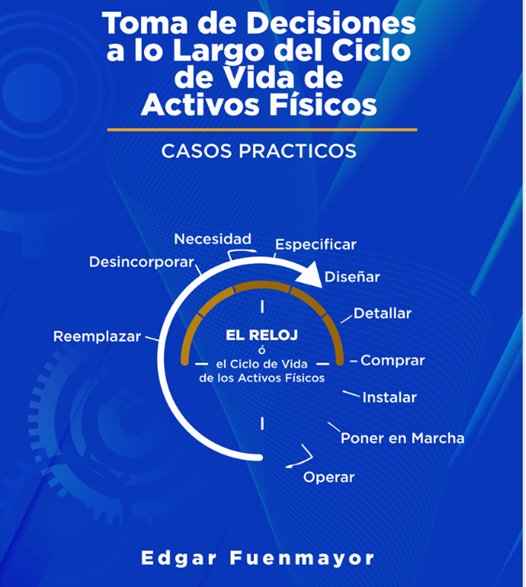
The physical asset lifecycle is a process comprising several key stages that require important decisions to be made in order to realize potential value over time. Global challenges increasingly demand corporate sustainability, resource optimization or the maximization of financial resources and, increasingly, the integration of artificial intelligence into optimal decision-making processes.

Case Studies – ISO/TC 251 ASSET MANAGEMENT
Below, you will find a list of videos, PDF case studies, success stories, and featured news related to the adoption of the ISO 55001 standard. We are always eager to hear more stories, so please do not hesitate to contact us.
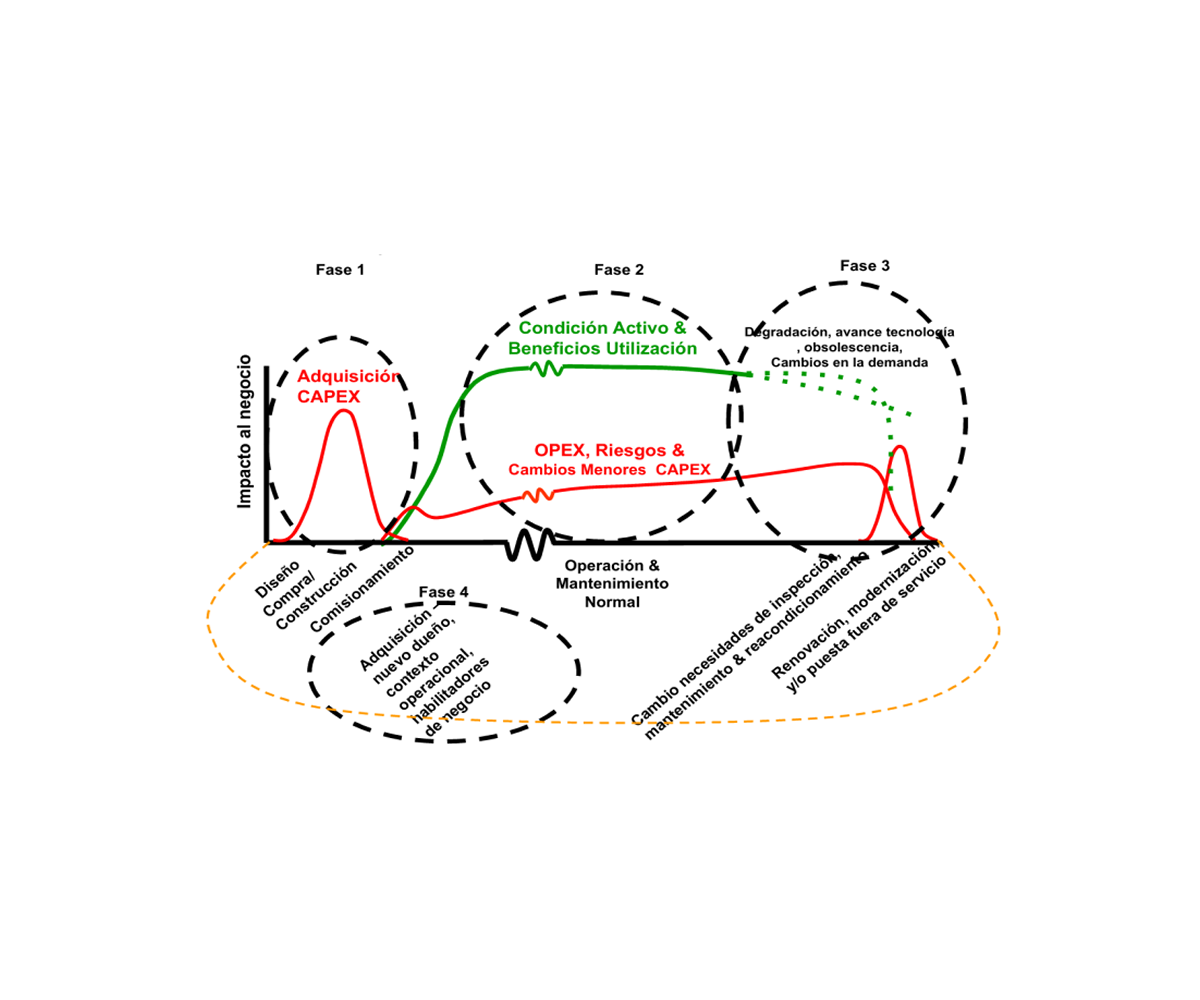
INTRODUCTION TO THE DECISION-MAKING FRAMEWORK, Book, Forthcoming 2nd Edition, Decision-Making Throughout the Life Cycle
Physical asset lifecycle management is the strategic process that guides all decision-making aimed at realizing the asset’s full potential value, taking into account costs, risks, efficiency, and benefits over its lifespan.

Importing from China, logistics, and customs clearance with commercial support.
We support you every step of the way, from supplier sourcing and factory validation to coordinating logistics from origin to destination. Our approach combines operational cost savings, document compliance, and expert guidance for importers looking to grow with confidence.

Book cover: Discover the Truth, Transform Your Understanding, and Start with What God Originally Designed.
When my own body collapsed under the weight of productivity, I understood something essential: Sabbath is not a legalistic burden, but a gift from the Creator.
Discover the Truth, transform your understanding, and start with what God originally designed.
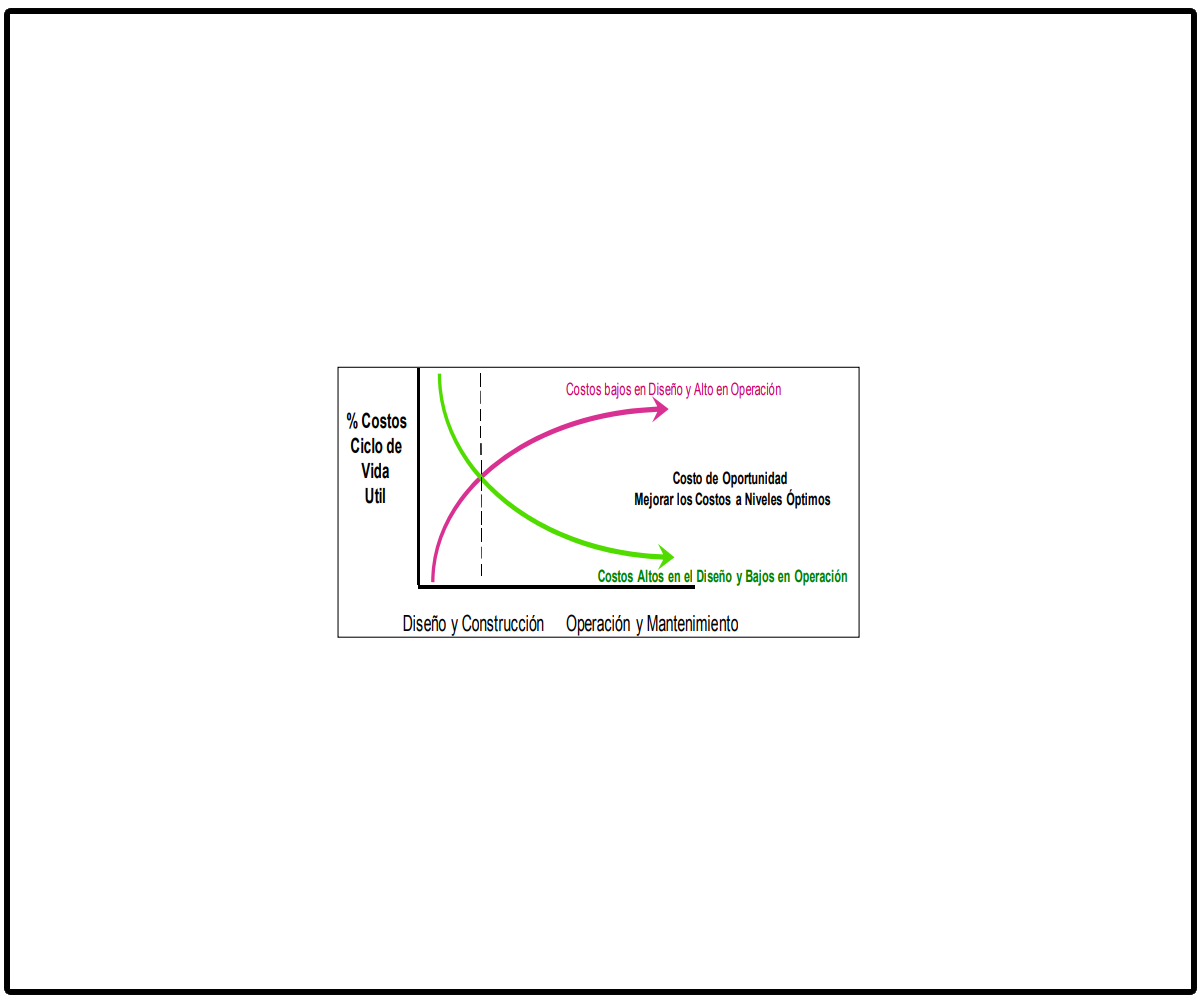
DECISION TO REPLACE OR REPAIR EQUIPMENT
The decision to replace or continue maintaining a specific piece of equipment is a fundamental element of an industry’s or company’s development strategy. Delaying replacement beyond a reasonable timeframe can drive up production costs due to a number of easily identifiable issues. Premature replacement can divert resources that might otherwise be allocated to other company priorities, in addition to the opportunity costs associated with failing to operate with appropriate structures and optimal cost and risk profiles.