
DECISION TO REPLACE OR REPAIR EQUIPMENT
Case study based on current methods and standards.
Fuenmayor, E. 1, Duran, J. , Sojo, L. 3 .
1 Mechanical Engineer, Master in Maintenance Management, PEQUIVEN (Petroquímica de Venezuela, S.A.), Ana María Campos Complex, Miranda Municipality, Zulia State, Venezuela, edgarfuenmayor1@gmail.com.
2 Electrical Engineer, Master in Maintenance Engineering, TWPL. The Woodhouse Partnership Limited, England, jose.duran@twpl.com.
3 Mechanical Engineer, Master of Mathematics, TWPL. The Woodhouse Partnership Limited, Caracas, Venezuela, luis.sojo@twpl.com
Resumen
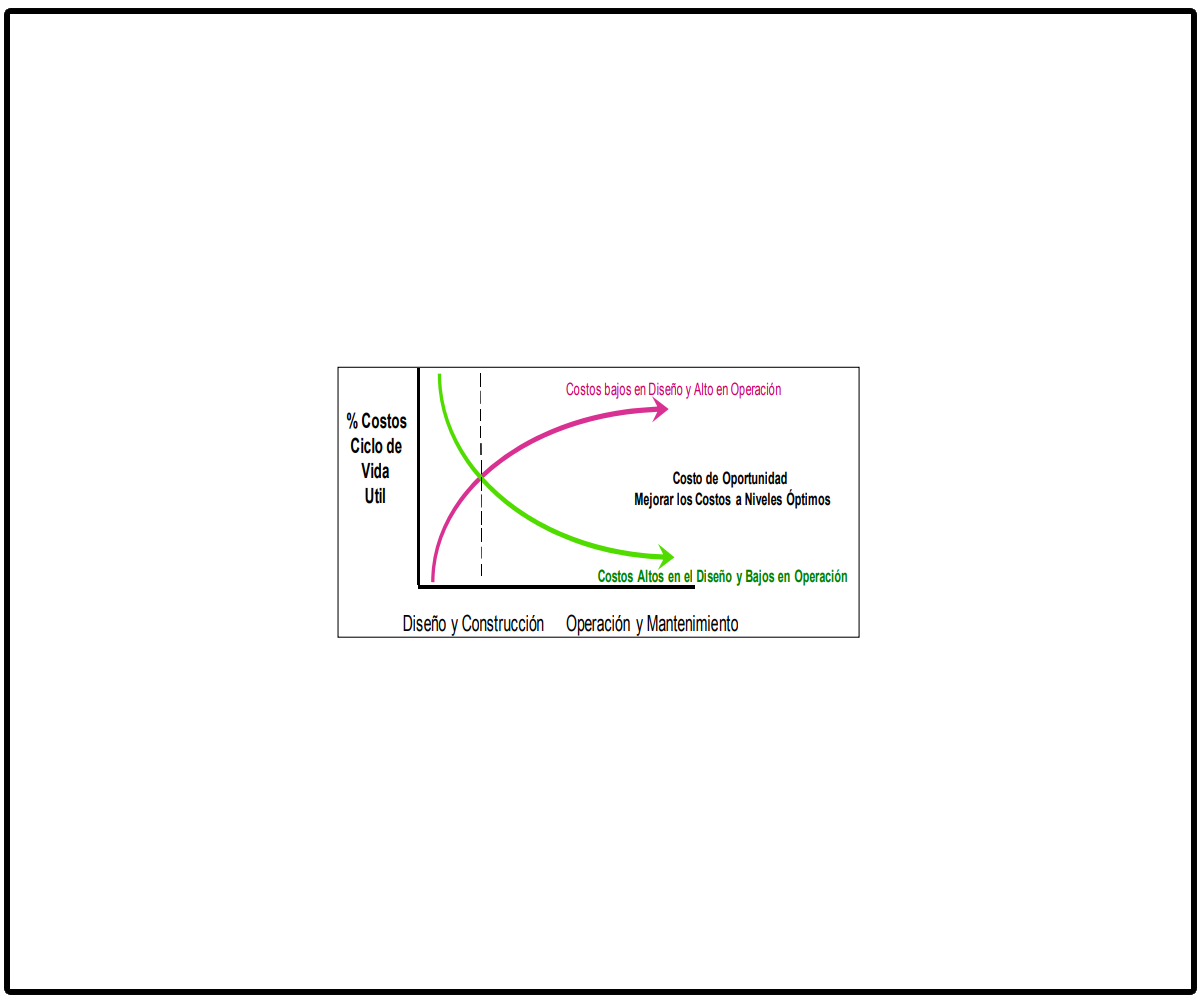
The decision to replace or continue maintaining a specific piece of equipment is a fundamental element of an industry’s or company’s development strategy. Delaying replacement beyond a reasonable timeframe can drive up production costs due to a number of easily identifiable issues. Premature replacement can divert resources that might otherwise be allocated to other company priorities, in addition to the opportunity costs associated with failing to operate with appropriate structures and optimal cost and risk profiles.
Analyzing modernization investments involving replacement is the most straightforward task; the methodology applied in this article is the economic analysis of life-cycle costs. This approach entails estimating or forecasting all potential cash flows throughout the entire useful life of an asset, system, or process covering every phase from design, procurement, construction, operation, and maintenance to decommissioning and converting these projected or future cash flows into an economically comparable value by accounting for the time value of money when comparing equipment with different lifespans.
Keywords: Failure, Interruption, Deterioration, Improvability, Reliability, Profitability, Problems, Operating Costs, Cost of Capital.